



SPARX3 in PD
Sparx3 is a national trial investigating the impact of exercise on the management of Parkinson’s Disease. It aims to evaluate the attenuation of Parkinson’s symptoms after 12 months of high-intensity versus moderate-intensity exercise, before any exposure to medical therapy.

Blood Flow Restriction in PD
Falls are a common predicament for individuals with Parkinson’s disease (PD) due to poor balance, which is hard to treat with regular medication.We think a combination of two exercises—Blood Flow Restriction (BFR) and Instability Resistance Training (IRT)—could help improve balance and muscle strength in people with PD.
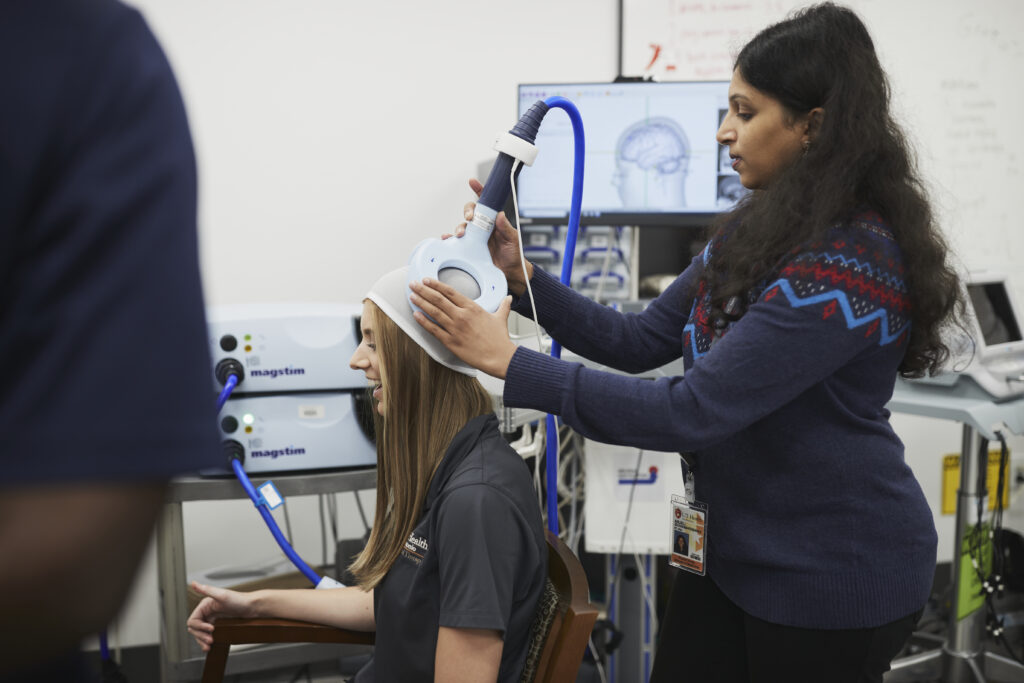
Aerobic Exercise and Virtual Reality games in PD
Exercise has been shown to be an effective primer to rehabilitation and facilitates neuroplasticity. In this study we are analyzing how different intensities of exercise can impact balance, postural control, and neuroplasticity in Parkinson’s Disease.

Interventions to address quality of life in breast cancer
Many people who survive breast cancer continue to struggle with fatigue, pain, stress, and difficulty returning to daily activities long after treatment ends. This study will be conducted by a multidisciplinary team (Holistic Exercises Advanced Laboratory (HEAL)) to compare two rehabilitation approaches, standard physical therapy and Therapeutic Yoga. The goal is to learn which one of the interventions better supports whole-person recovery after breast cancer.
Past Projects

Blood Flow Restriction and knee Osteoarthritis
Knee osteoarthritis often limits a person’s ability to tolerate high resistance exercises necessary to improve muscle strength. This is especially relevant in the context of postoperative recovery from total knee replacement surgeries for individuals with osteoarthritis.
Other Projects
EMIMSK
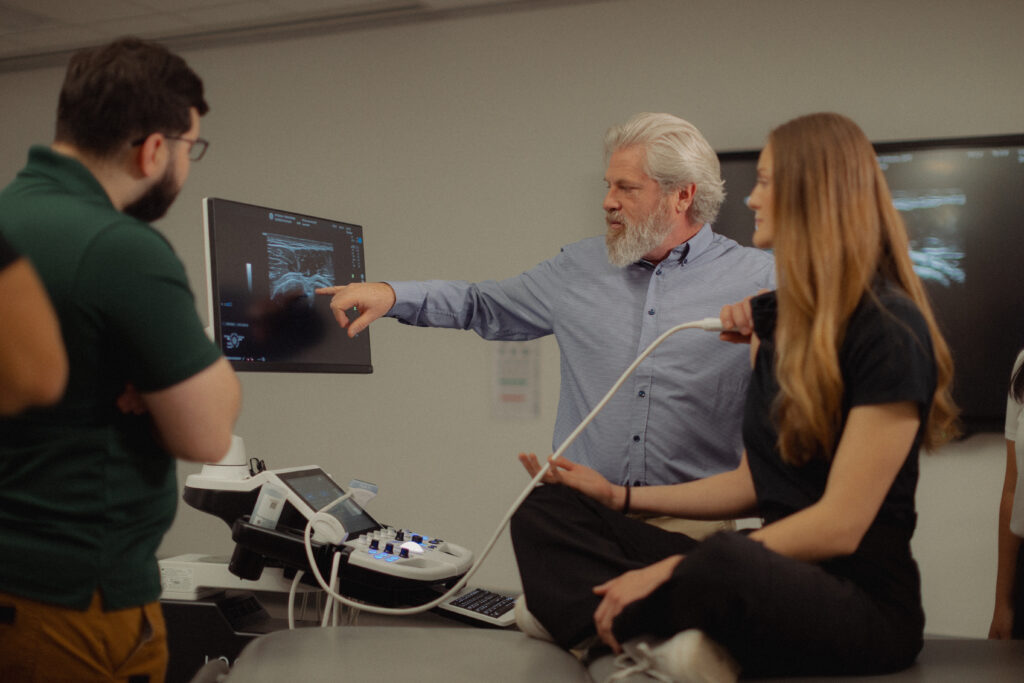
The EMIMSK Study is exploring how two preventive treatments—traditional factor VIII infusions and the newer therapy emicizumab—affect joint and bone health in people with severe Hemophilia A. Using point-of-care musculoskeletal ultrasound imaging to allow detailed measurement of joint damage, researchers will follow participants over three years to determine which approach offers better long-term protection, mobility, and quality of life