

Muscle Disuse Study
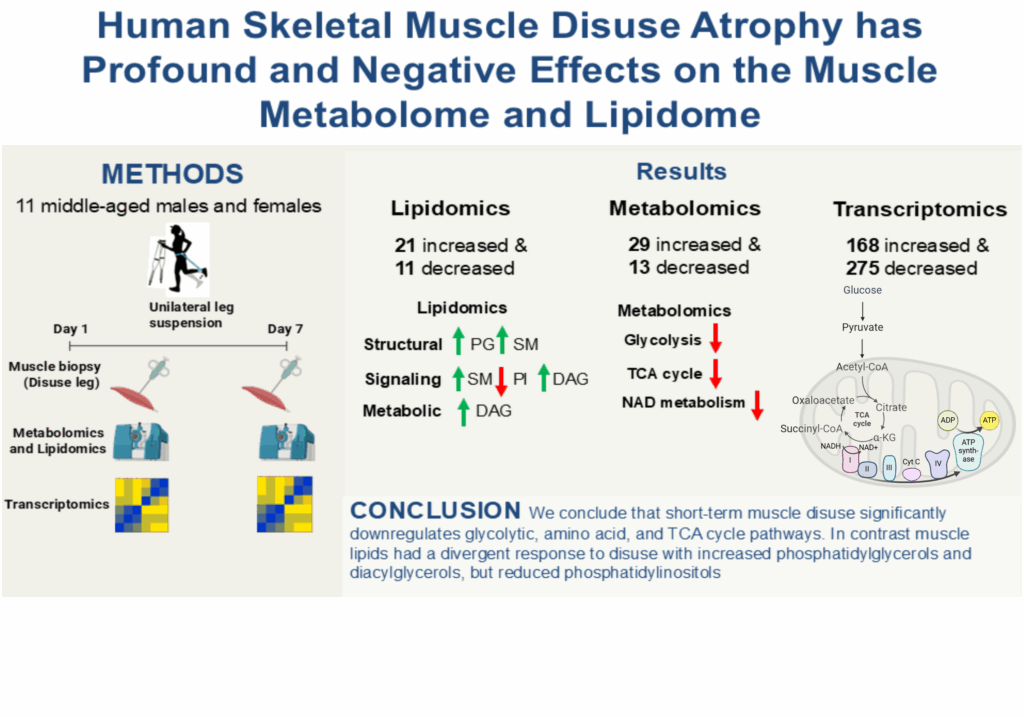
This study looks at the loss of muscle in middle aged individuals after being on crutches for an extended period of time. After this, participants are put on an exercise regime. This study aims to build a deeper understanding on muscle loss and regrowth in individuals after injuries.

DEPDC5 Muscle-Specific Knockout Study
Overnutrition is known to cause insulin resistance and inflammation, exacerbated by increased age, but the mechanisms involved are not well understood. This work aims to understand the connection between inflammation and cellular senescence to insulin resistance using diet induced obesity and diabetes in both aged mice and mice with hyperactive mTORC1 signaling in skeletal muscle.
Mechanisms of magnesium handling in exercising skeletal muscle
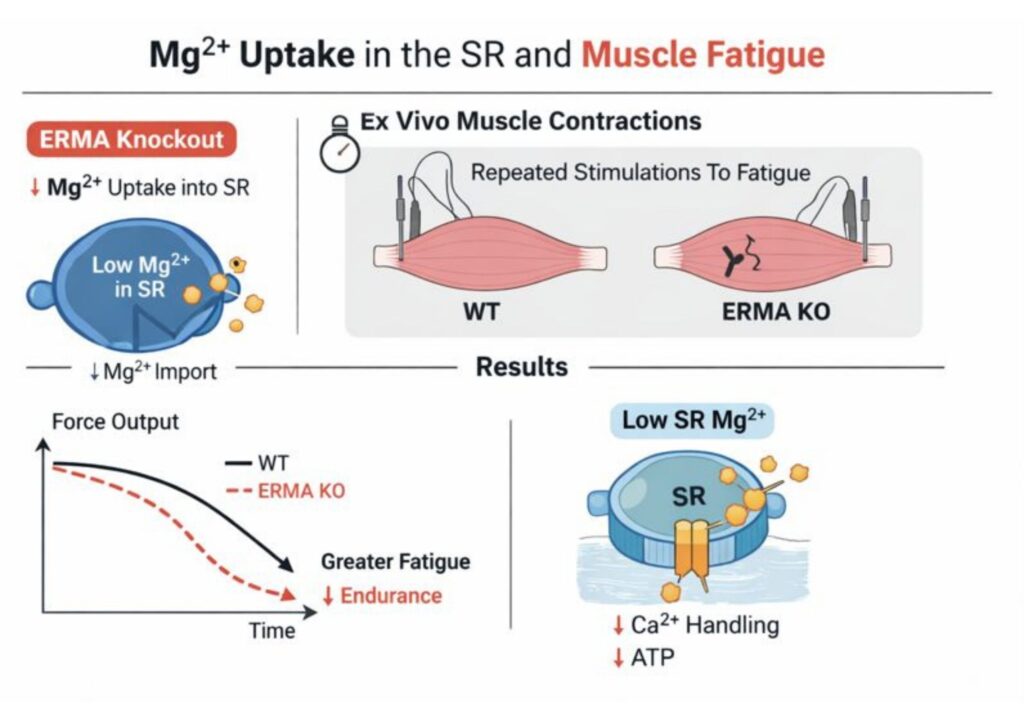
Magnesium is extremely important for exercising skeletal muscle because of its requirement for the production and breakdown of ATP- the energy currency of the cell. We are investigating the effects of impaired magnesium uptake into the sarcoplasmic reticulum by knocking out the ERMA protein, a known magnesium transporter. We hypothesize that mice lacking ERMA in skeletal muscle will have impaired magnesium uptake, dysregulated calcium handling, and greater susceptibility to fatigue during exercise.
Past Projects

MoTrPAC
The Molecular Transducers of Physical Activity Consortium (MoTrPAC) aims to uncover, at the molecular level, how exercise improves and maintains the health of the body’s tissues and organs.
Exercise Training in Older Adults
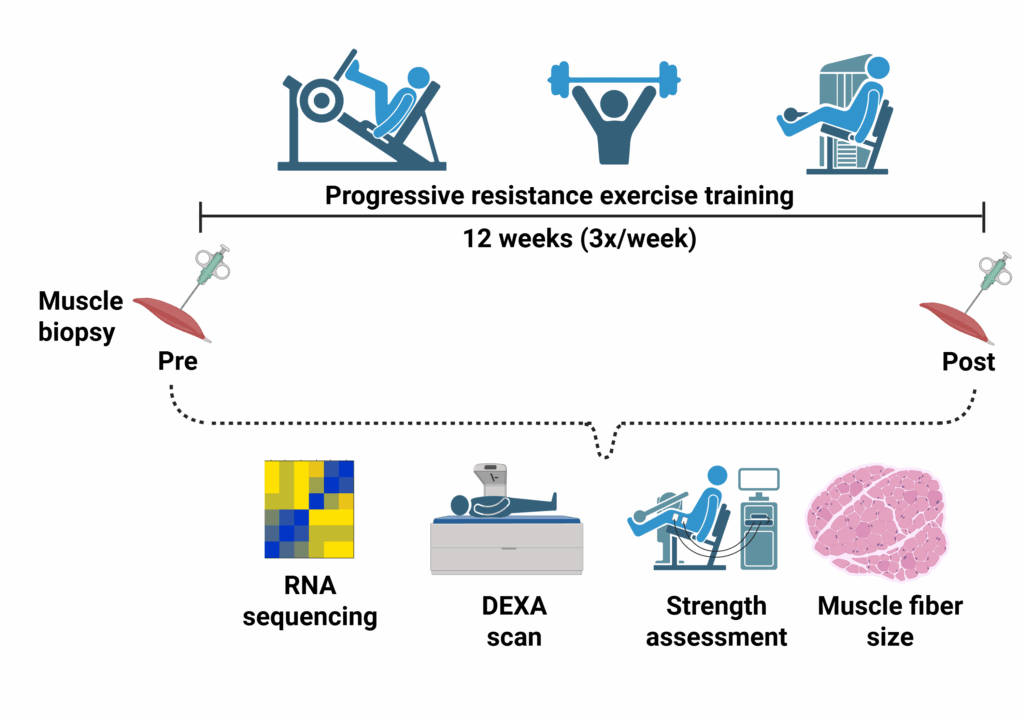
This study examined how 12 weeks of progressive resistance training alters skeletal muscle gene expression in young (~20s) and older (~70s) men. Training produced substantial but largely distinct transcriptomic changes in each age group, with older muscle showing a larger overall response. Notably, resistance exercise reduced ATF4-activated and senescence-associated mRNAs in older men, and gains in lean mass and strength were linked to increased expression of genes involved in mitochondrial function, translation, rRNA processing, and polyamine metabolism.